



The structure of a coffee cherry
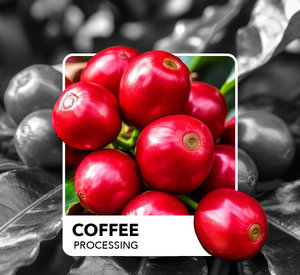
A coffee cherry looks simple on the outside, but inside it hides multiple layers, each with an important role in the development of its taste.
Washed Processing
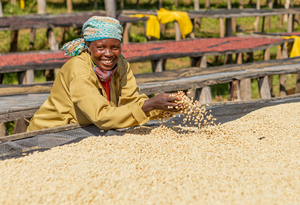
Washed processing is one of the cleanest and most controlled methods of coffee processing. After harvesting, the fruit is pulped, and the pulp is almost completely removed. The beans remain covered by a thin layer of mucilage, which is washed off with clean water before the beans are dried in the sun or in mechanical dryers. The result is a coffee with high clarity, vibrant acidity, and a clean and precise aroma.
This method highlights the terroir — that is, the place of origin and the particularities of the variety — more than any other process.
In the cup, a MABÓ washed coffee greets you with floral, citrus, or stone fruit notes, an elegant texture, and a clean finish. It is the pure expression of its origin.
Natural Processing
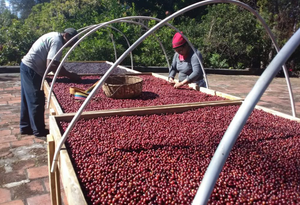
Natural processing is the oldest and arguably the most instinctive method of coffee processing. The cherries are left whole, with pulp and skin, to dry slowly in the sun, spread out on African beds or mats.
As the water evaporates, sugars and compounds from the fruit penetrate the bean, offering an intense sweetness and rich flavor. After drying, the outer layers are mechanically removed, leaving only the coffee bean. Natural processing offers a vibrant, often surprising experience, with uneven accents that give it charm.
It's a method that brings a touch of unpredictability, but also a sensory fullness that is hard to match. A naturally processed coffee in a MABÓ cup has a round body, pronounced sweetness, and fruity aromas – often of berries, plums, strawberries, or chocolate. It speaks of sun, time, and patience — an authentic expression of its origin.
Honey Processing
Honey processing is an intermediate method between washed and natural processing—a careful balance between clarity and sweetness.
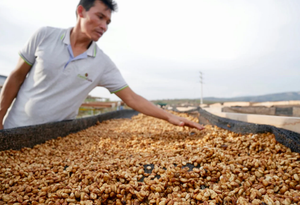
After harvesting, the cherries are pulped, but some of the sweet and sticky mucilage is intentionally left on the beans.
These are then left to dry in the sun, turned regularly for even drying. Depending on the amount of mucilage left on the beans, the process can range from Yellow Honey (the cleanest and most delicate) to Red or Black Honey (the sweetest and most complex). The result is a coffee with a velvety body, balanced sweetness, and aromas of honey, caramel, and ripe fruit. Honey processing retains some of the clarity of a washed coffee but adds a layer of depth and texture. It is a method that perfectly reflects MABÓ's philosophy—a balance between precision and expressiveness, between control and freedom.

Anaerobic Processing
Anaerobic processing is one of the most modern and experimental techniques in the world of specialty coffee. After harvesting, the cherries—either whole or depulped—are placed in hermetic tanks, where fermentation takes place without oxygen. This lack of air allows for the development of microorganisms different from those in classic fermentation, resulting in an entirely new aromatic profile. Throughout the process, temperature and time are carefully controlled, and fermentation can last from a few hours to several days.
Afterward, the coffee is dried in the sun or in special dryers. In the cup, anaerobically processed coffee offers intense and complex aromas – notes of exotic fruits, sweet wines, or spices, sometimes even an effervescent texture. It is a method that brings a new dimension to taste, a balance between science and instinct, between control and surprise. For MABÓ, anaerobic processing is the expression of curiosity — the desire to explore and push the boundaries of taste.
Carbonic Maceration
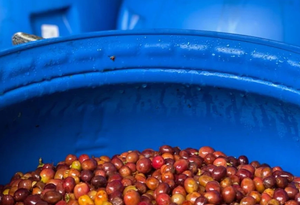
Inspired by the world of wines, carbonic maceration is one of the most spectacular forms of modern processing.
Whole coffee cherries are placed in airtight tanks filled with carbon dioxide, which slows down fermentation and completely changes the dynamics of reactions inside the fruit. In this controlled environment, natural enzymes in the pulp and mucilage break down sugars in a unique way, infusing the bean with complex notes of tropical fruits, fine spices, and vibrant acidity. The process can take anywhere from 24 hours to over a week, depending on the conditions and the farmer's intention. The result is a coffee with an intense, aromatic, and layered profile, combining mature sweetness with an almost vinified elegance.
In the cup, you can expect an unusually fragrant, full-bodied, and memorable experience. For MABÓ, carbonic maceration is an art form — scientific precision transformed into pure emotion in the cup.
Extended or Controlled Fermentation
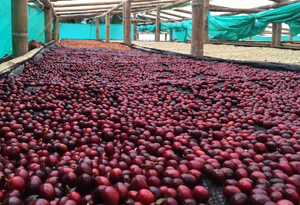
Extended fermentation is a method that brings coffee processing into an almost scientific area of fine-tuning.
After harvesting, the cherries or pulped beans are placed in tanks or vats, where time, temperature, and oxygen levels are carefully monitored and adjusted. The goal is to perfectly control the natural reactions between the sugars and microorganisms in the pulp, extending fermentation to amplify sweetness and aromatic complexity. Instead of spontaneous and rapid fermentation (12–24h), here the process can last 48, 72, or even over 100 hours, depending on the desired profile. The result is a coffee with a refined aromatic profile, exceptional clarity, and a depth that maintains the balance between sweet and acidic. In the cup, coffee processed through controlled fermentation offers clean, fruity, floral, or winey notes, without excess—a balance between nature and human precision. For MABÓ, this method is the expression of curiosity and discipline—a perfect example of how science can be put at the service of emotion.
Thermal Shock Processing
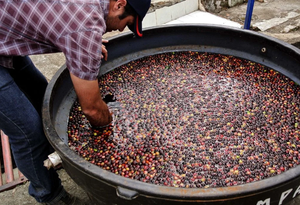
Thermal Shock processing is one of the latest innovations in specialty coffee, designed to maximize aromatic complexity through a controlled interplay of temperatures. After the initial fermentation of the cherries, the beans are exposed to rapid temperature alternations – from hot to cold water – to halt fermentation at the ideal moment and lock the aromas into the bean. This thermal shock controls enzymatic activity and stabilizes aromatic compounds, resulting in a coffee with intense, clear, and layered aromas. The resulting profiles can be spectacular: tropical fruits, wine notes, sweet flowers, and a creamy texture. In the cup, a Thermal Shock processed coffee surprises with its depth of flavor and impeccable clarity — a demonstration of how innovation can push tradition forward. For MABÓ, this method represents the courage to experiment with science, but also with soul.
The Diversity of Processing – Science, Instinct, and Emotion
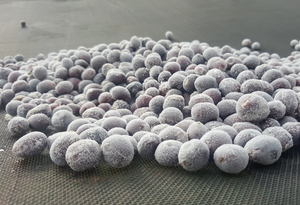
Processing is an essential step in coffee's journey — where nature and man meet. From traditional methods like washed and natural, to modern and experimental ones such as anaerobic fermentation or thermal shock, each process tells a story of origin, intention, and curiosity. There isn't one "better" method, but rather different ways to express the personality of a bean. In the right hands, each process becomes an art form: a combination of precision, patience, and sensitivity. For us at MABÓ, processing is more than a technique — it's a conversation with the raw material. All with a single goal: to transform every cup into an experience for you — the one who feels, chooses, and shares the spirit of MABÓ.

